Three voices. One mission. We publish deep technical content on LinkedIn that most vendors won't touch — from protocol-level roaming analysis to OpenWiFi deployment war stories.
Follow all three profiles to get the full picture — personal deep dives from Jack and Firas, plus company-level announcements and lab findings.

My passion lies in advancing the Wi-Fi networking industry, creating innovative and cost-effective solutions, and forging lasting industry partnerships — all to make premium connectivity accessible to everyone. This mission has been the driving force throughout my 20+ years in the telecommunications industry, including my previous leadership roles at Meta and CommScope. Chair of the TIP OpenWiFi Community from 2021–2025, and currently serving on the TIP OpenWiFi Project Steering Committee.

Two decades of real-world expertise in wireless network design, testing, and implementation. As a Certified Wireless Network Expert (CWNE #348), Firas is dedicated to advancing open, reliable, and accessible connectivity that empowers communities and businesses alike. He served as TIP OpenWiFi Community Support Engineer from 2023–2025, and is a veteran of the QA teams at Comcast and Amazon.
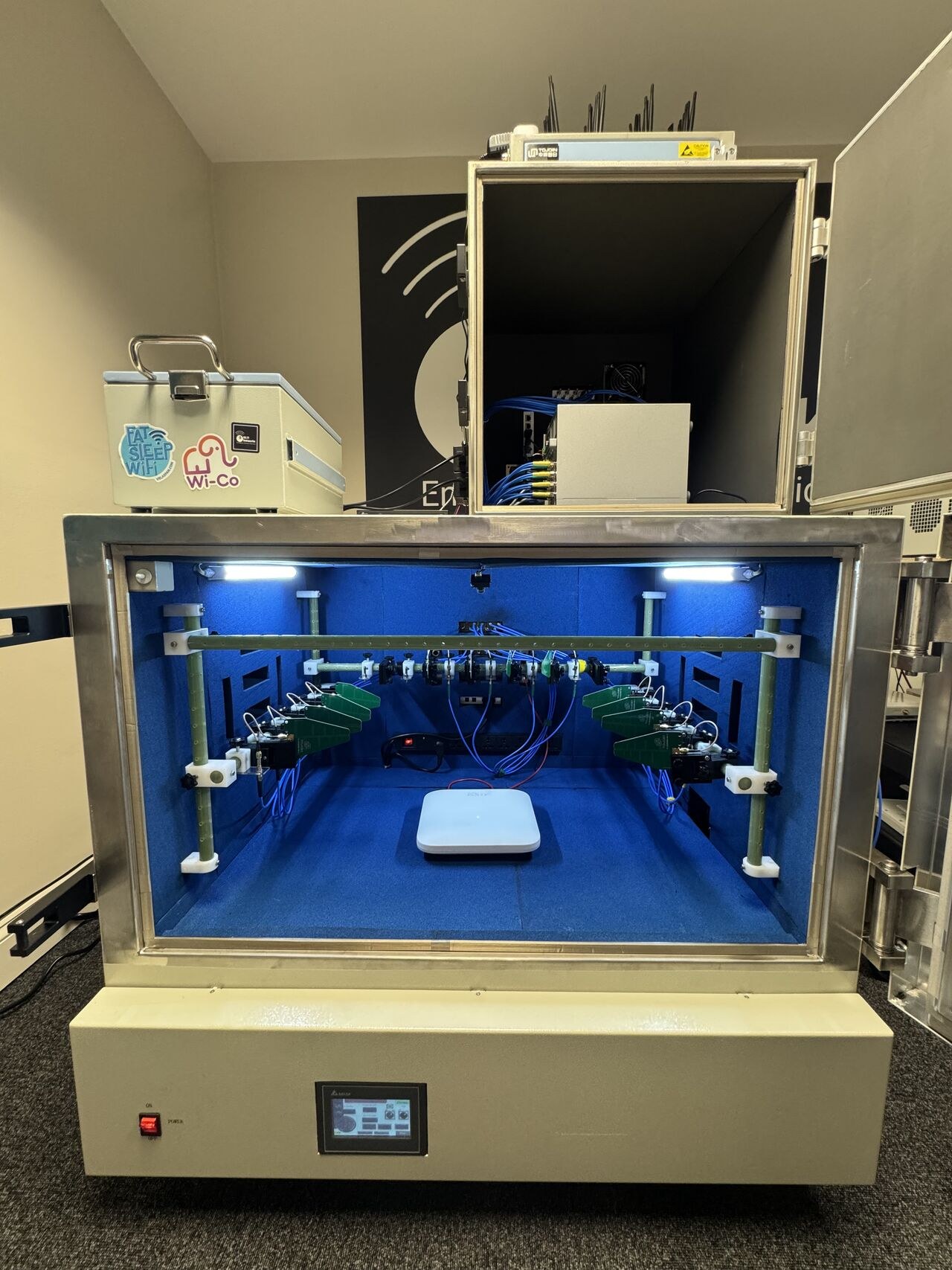
802.11 Networks Corp is a world-class Wi-Fi testing and consulting firm based in Plymouth Meeting, PA. Our founders held formal roles inside the TIP OpenWiFi Community — Jack Raynor as Chair (2021–2025) and Firas Shaari as Community Support Engineer (2023–2025). We operate a professional RF isolation chamber laboratory, deliver remote onsite capacity testing, provide OpenWiFi consulting and hardware certification, and publish independent technical content. No vendor bias. No marketing spin. Just data.
Why clients — not APs — decide when to roam. Deep dives into 802.11k/v/r and real device behavior under test conditions.
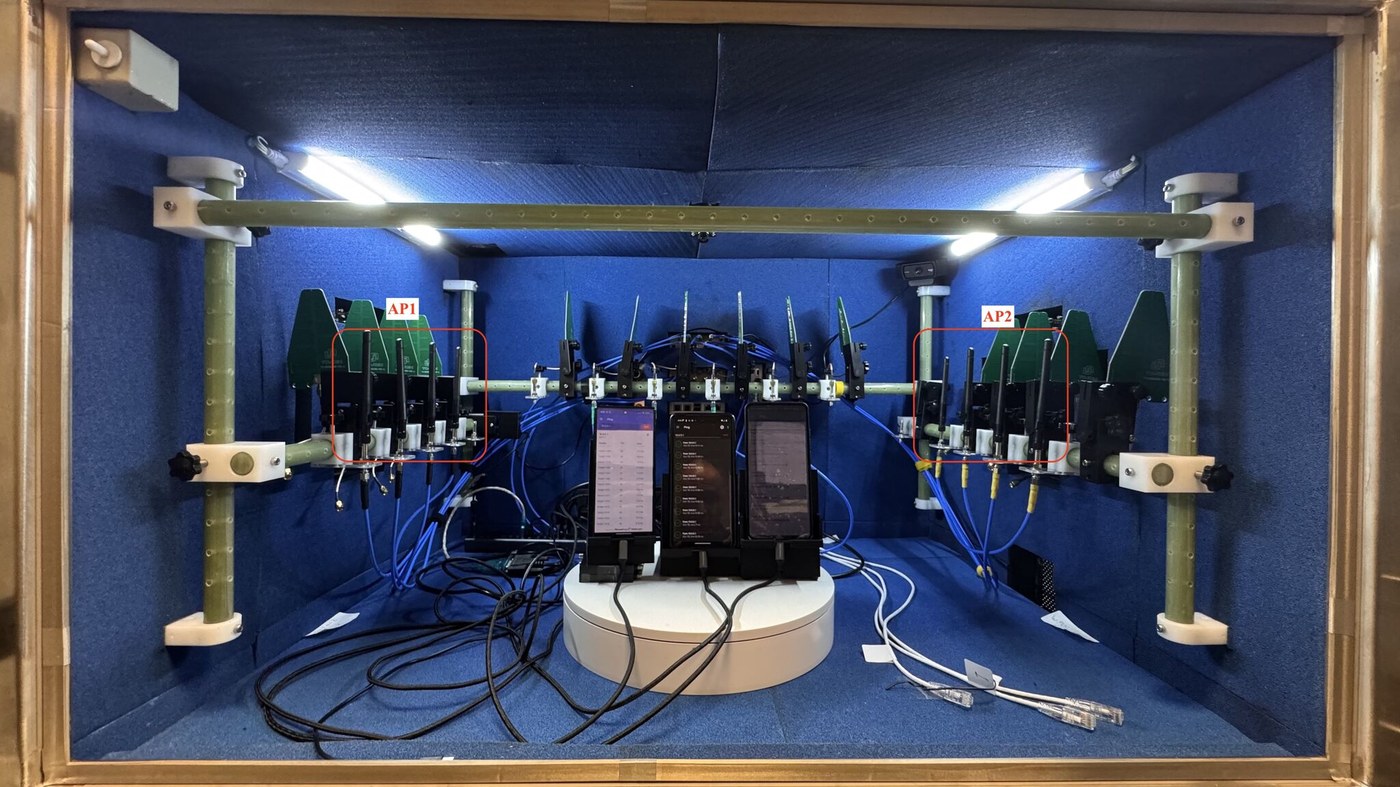
Real data from the isolation chamber. AP comparisons, throughput analysis, attenuation curves, and spectrum findings.
Deployment war stories, firmware analysis, certification testing insights, and updates from inside the TIP community.
Packet-level breakdowns of 4-way handshakes, MIC mismatches, BSS transitions, and other protocol-layer issues.
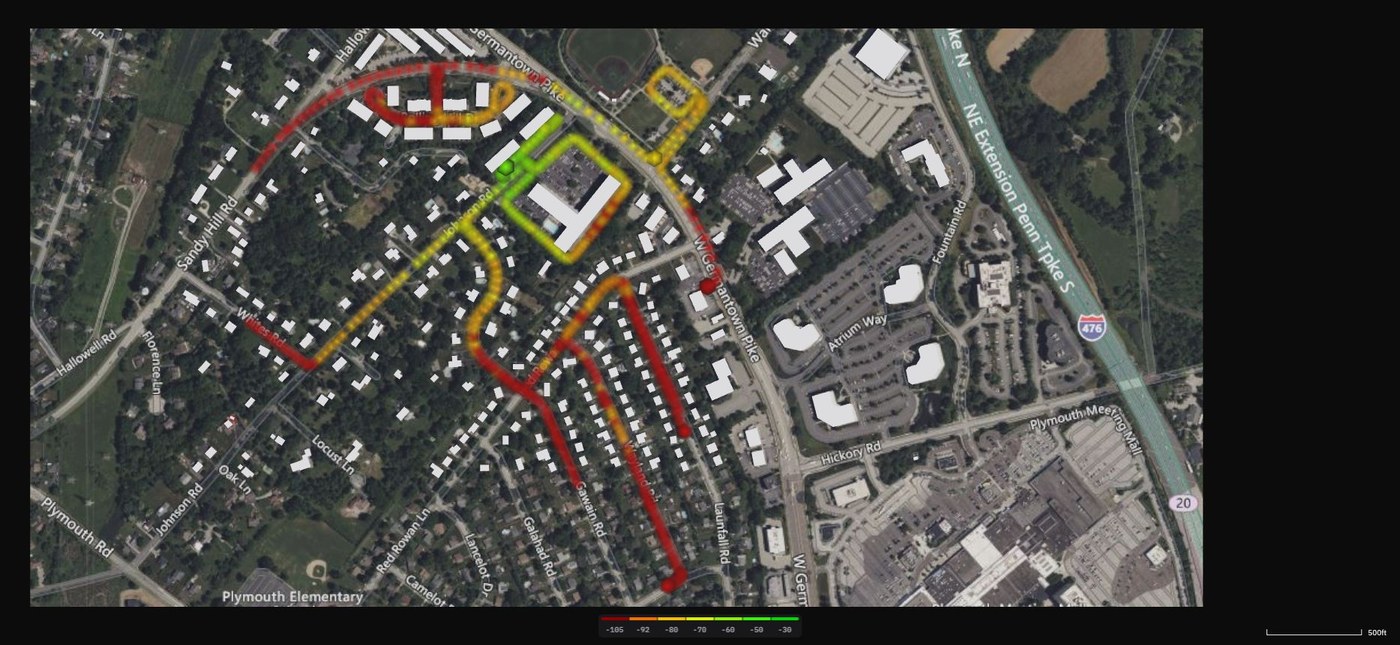
Field testing results and range surveys for the emerging sub-GHz Wi-Fi standard — with real GPS-logged data.
CWNA-level training content, WLPC presentation recaps, and explainers written for engineers and IT decision-makers alike.
Python automation scripts, OpenWrt build system work, udev configuration, and open-source contributions to TIP repos.
Coverage planning, channel strategy, QoS, capacity design, and the hard lessons learned from real enterprise deployments.
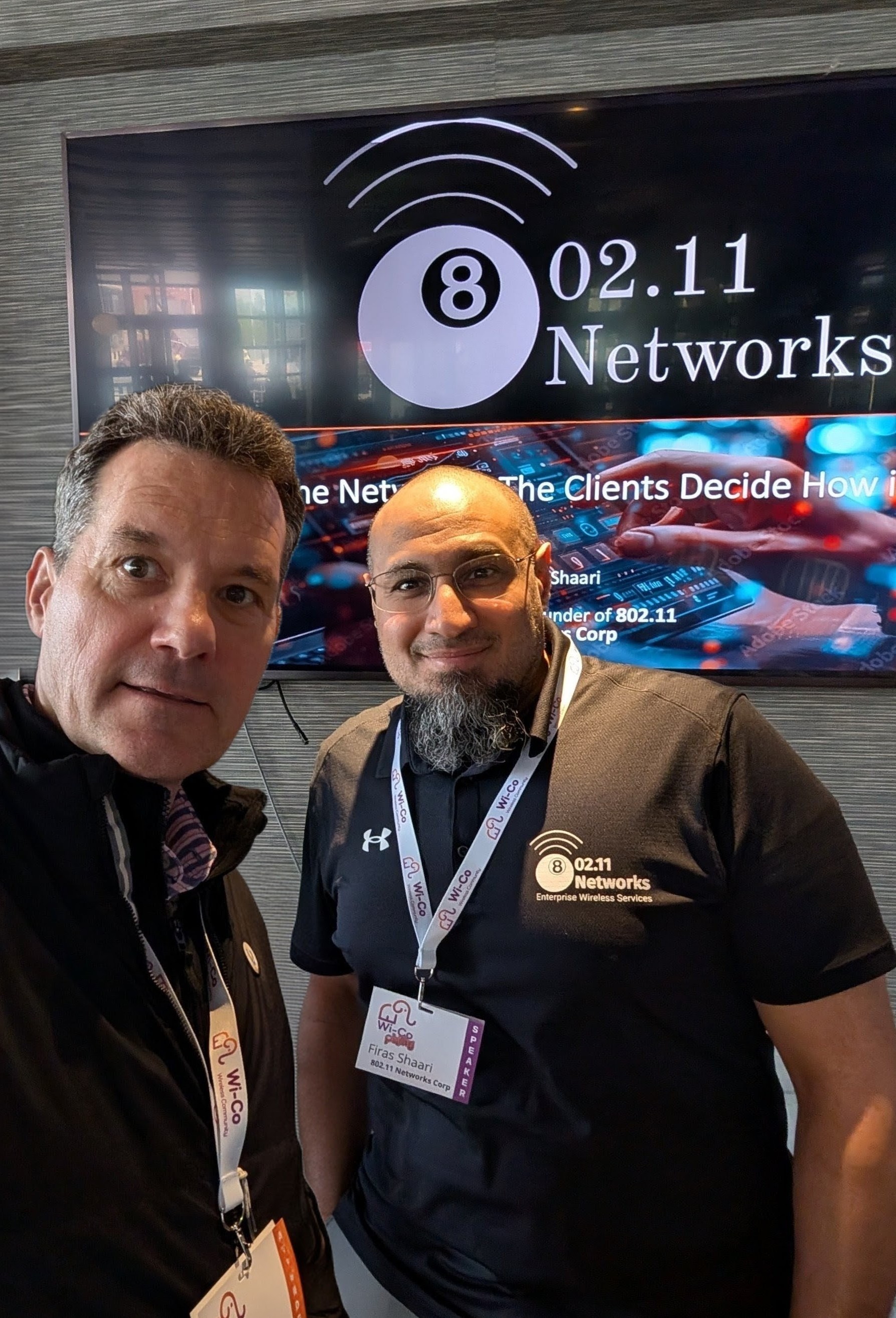
We were on the ground at Wi-Co Philadelphia — connecting with engineers, operators, and partners who are building the future of commercial Wi-Fi. Events like this are where the real conversations happen, away from the marketing noise. Great to represent the company and the OpenWiFi community in person.
Firas shares a first look at the animated roaming visualization tool built from real LANforge test data — client signal strength, AP associations, and roaming events rendered in a single self-contained HTML file. The reaction from the Wi-Fi community said it all.
A question nobody seems to test properly — so we did. Does the channel width configured on your APs influence when and how client stations decide to roam? Controlled lab results with data that challenges some common assumptions.
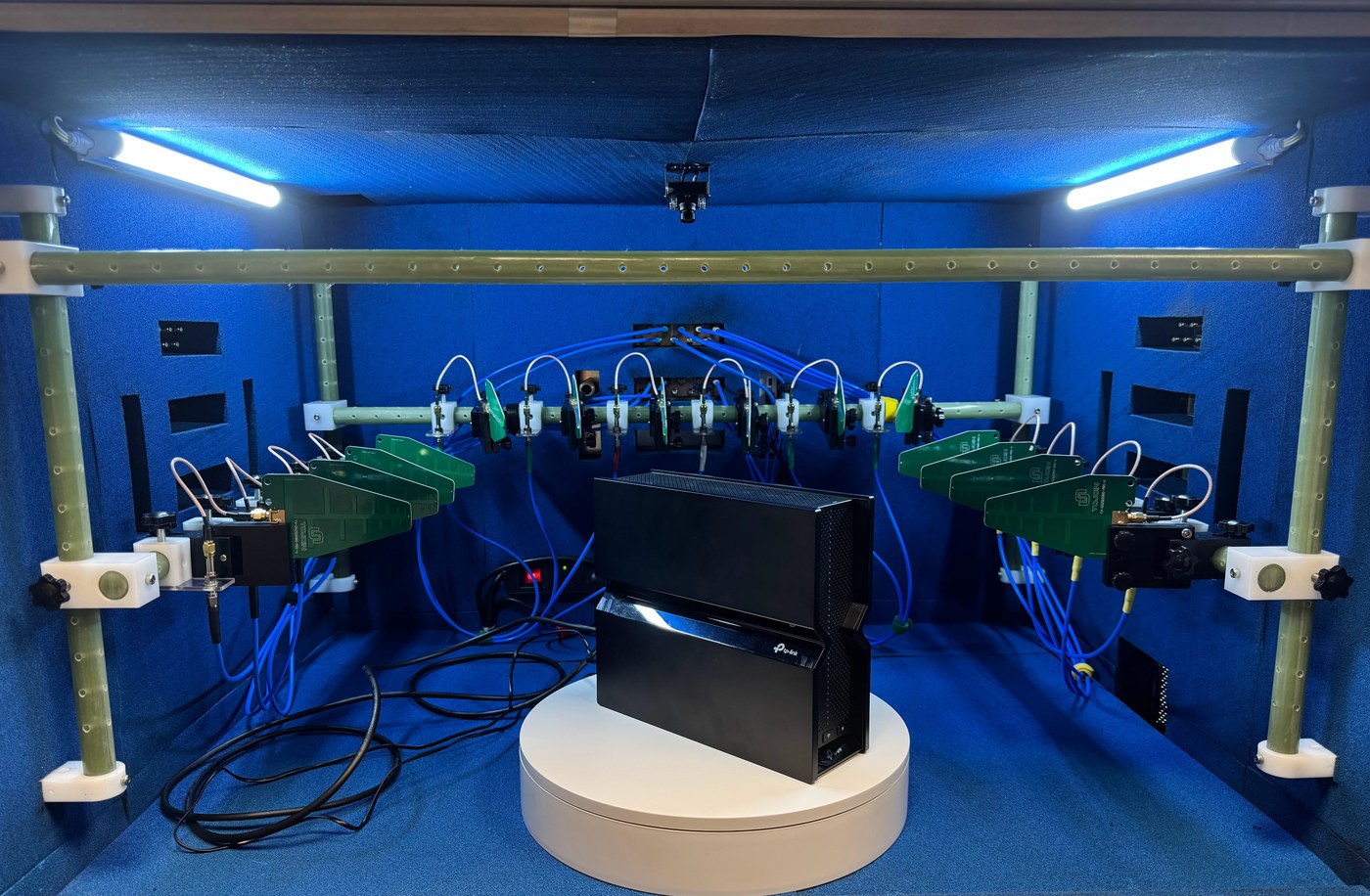
Marketing sheets make big claims. Our RF isolation chamber doesn't care. We put the TP-Link BE9300 through its paces — real throughput, real latency, real spectrum data — and published exactly what we found, not what the box says.
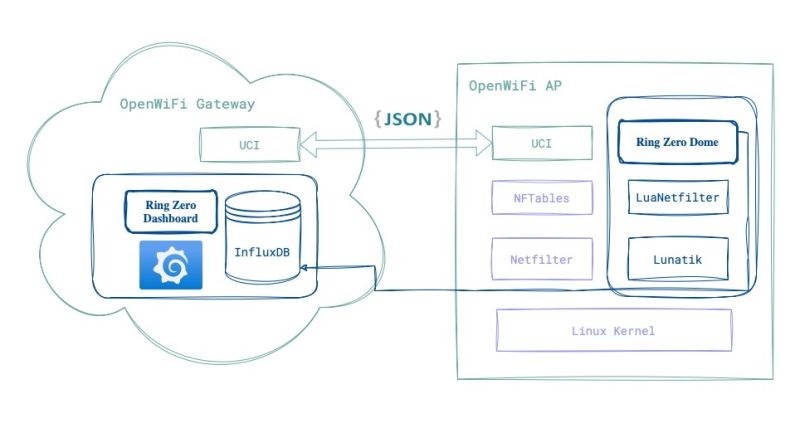
How does Ring Zero Dome integrate with an OpenWiFi AP? Through a clean JSON interface between the OpenWiFi Gateway and the AP, Ring Zero Dome sits natively alongside NFTables and the Linux kernel — giving you Secure Wireless Gateway protection without disrupting your OpenWiFi architecture.
Built on Raspberry Pi 5 with Morse Micro hardware, our HaLow survey prototype combines GPS logging with real-time signal data to map 802.11ah coverage in the field. This is the tool we use for drive-testing HaLow deployments — and this post shows how it came together.
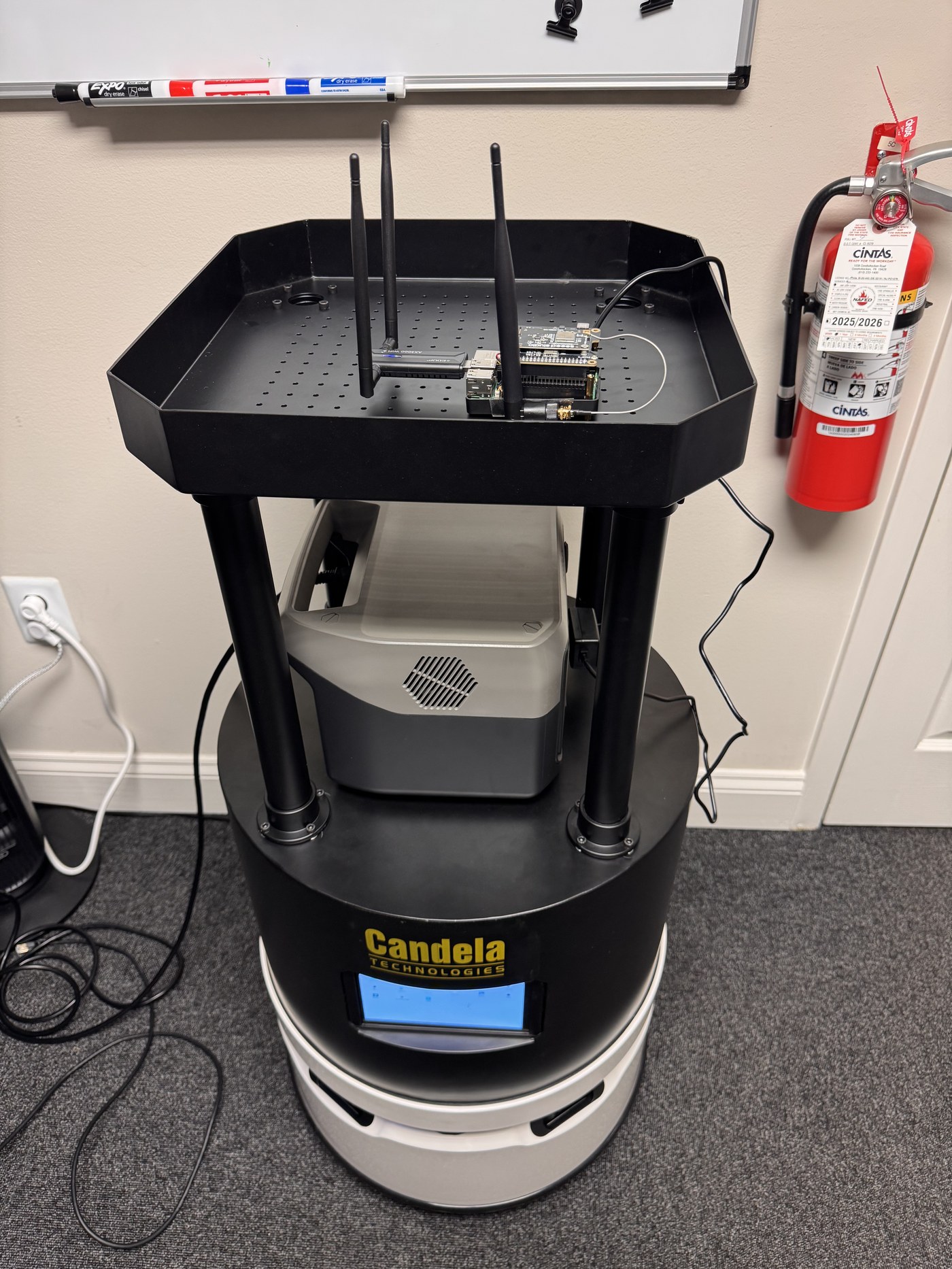
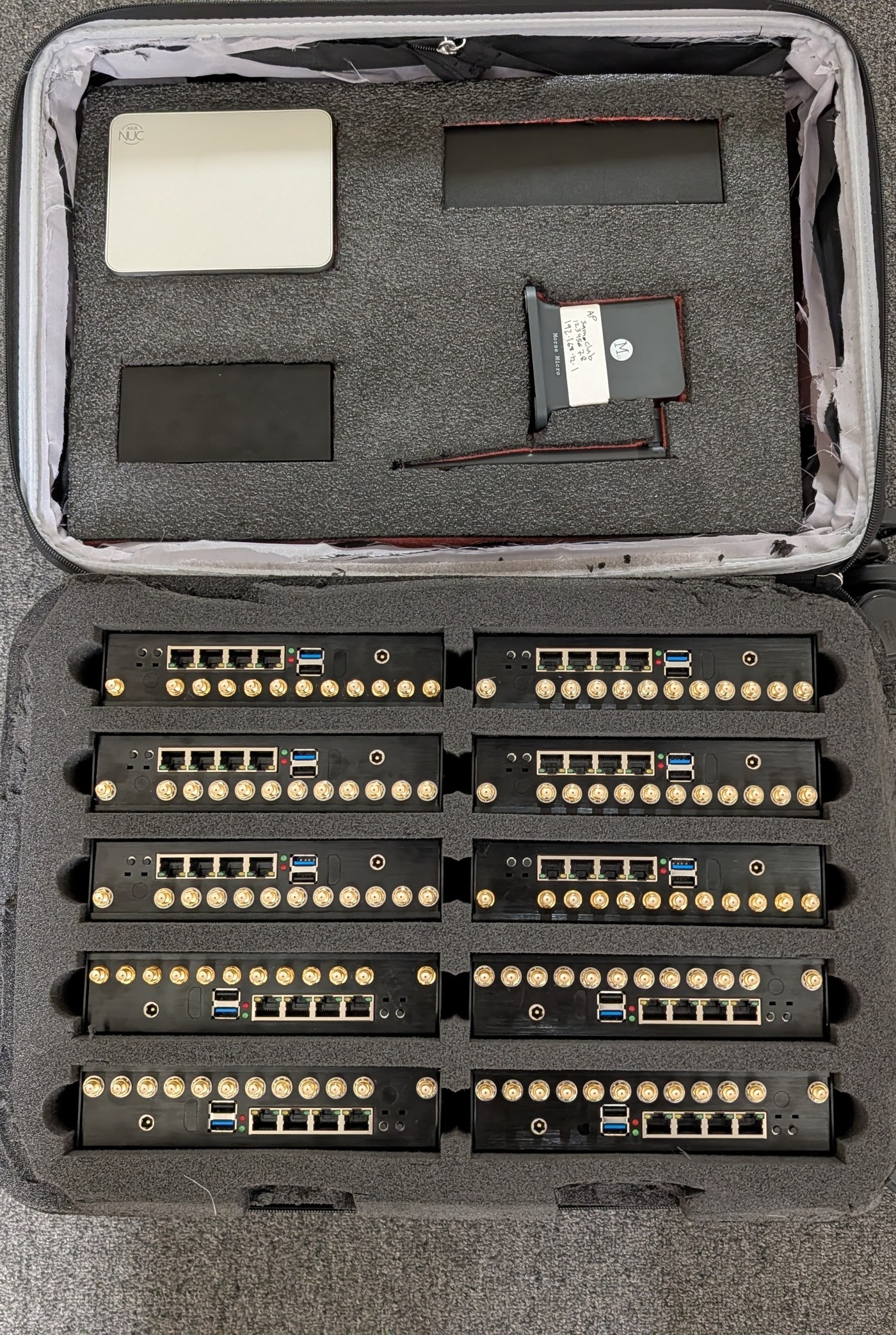
This is what world-class onsite Wi-Fi capacity testing looks like packed and ready to deploy. Each module can simulate up to 57 real client devices — we bring as many as needed to stress your live network.
Our lab runs TR-398 — the Broadband Forum's industry-standard test suite for Wi-Fi access point performance. If your AP hasn't been put through TR-398, you don't actually know how it performs.
Jack discusses achieving 100,000+ deployed OpenWiFi devices, Wi-Fi 7 roadmap, and the community-driven model powering global deployments.
WLPC Phoenix 2024 — How DHCP Option 82 unlocks powerful possibilities in enterprise and OpenWiFi deployments.
Jack Raynor presents at the Wireless Global Congress on how TIP OpenLAN is accelerating innovation in enterprise and service provider Wi-Fi deployments.
WLPC Phoenix 2025 — Cost-effective options for getting started with Wi-Fi HaLow access and testing hardware.
TECHtalk Ep. 66 — Jack explains how the OpenWiFi project opens up enterprise wireless deployments for service providers, MDUs, and hospitality operators.
WLPC Phoenix 2026 — Full-stack Wi-Fi testing from Layer 1 RF through Layer 7 application performance — our methodology at 802.11 Networks.
Step-by-step migration of a Raspberry Pi 5 AP from standalone OpenWrt to cloud-managed TIP OpenWiFi using the MT7915 chipset.
A quick look inside our Wi-Fi HaLow testing setup at the 802.11 Networks lab.
The Raspberry Pi 5 access point build gets a proper enclosure — a milestone in the HaLow lab development.
Follow all three profiles to stay ahead of what's happening in enterprise Wi-Fi testing, OpenWiFi deployments, and the 802.11 standard.